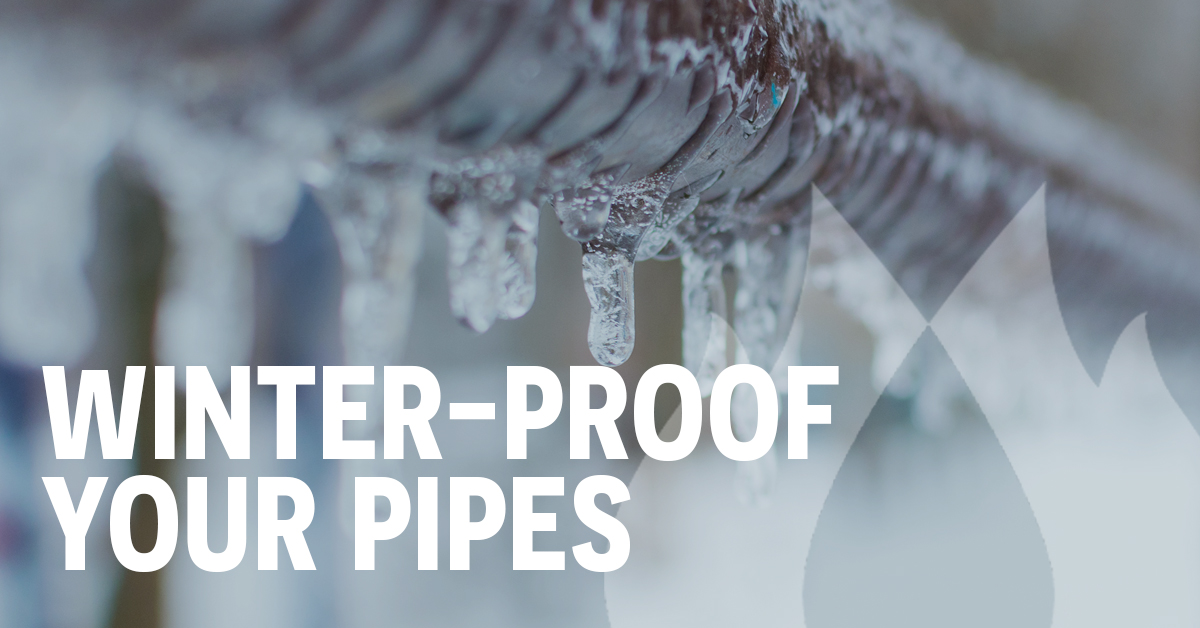
Safeguard your home’s plumbing this winter with expert strategies to prevent costly emergencies and ensure uninterrupted comfort during the busiest time of the year.
Start Here: Proactive Steps to Winterize Your Plumbing
As the temperatures drop, a little preventative work can be the difference between a hassle-free holiday season and a costly plumbing emergency.
- Disconnect and drain outdoor hoses: Any water left inside a hose or faucet can freeze, expand, and lead to a burst pipe inside your wall.
- Shut off exterior faucets: Find the shut-off valve (usually found inside your basement or crawl space) and drain the line. If you have a sprinkler or irrigation system, make sure these are properly winterized as well.
- Circulate warm air indoors: Where you can, allow warm air from your home to circulate around plumbing, such as sinks connected to exterior or uninsulated walls.
- Maintain consistent temperatures indoors: Even if you travel for the holidays, maintain a consistent indoor temperature (we recommend no lower than 55°F). This continuous warmth is often enough to keep interior pipes safe from freezing.
Addressing Vulnerable Areas Before They Freeze
Not all plumbing is equally susceptible to cold weather. Pipes located in unheated areas such as basements, crawl spaces, attics, and garages are at a greater risk of freezing––check these areas for exposed pipes and look for signs of old or deteriorating insulation.
If in the next few months you notice reduced water flow, it may indicate a developing freeze. Additionally, if you see frost or condensation on a pipe, insulate or apply heat immediately, as early intervention is the key to preventing a costly rupture.
Proper Insulation: The Best Defense Against Freezing
Proper insulation is the single most effective way to prevent pipe bursts and the subsequent water damage. Foam pipe sleeves, heat tape, and insulation blankets are readily available at most hardware stores and can be installed with basic tools. We recommend focusing on pipes that run along exterior walls or in unheated spaces.
While you’re installing insulation, check for drafts near pipes and seal any gaps or cracks in the walls or foundations to keep cold air out. Proper insulation not only protects your plumbing but also helps retain heat, improving your home’s overall energy efficiency.
Don’t Forget: Water Heater & Fixture Maintenance
Your water heater typically works overtime in the winter to keep up with demand, so seasonal maintenance is critical for efficiency and longevity:
- Flush your water heater’s tank: This helps remove sediment buildup that can reduce efficiency and shorten the water heater’s lifespan.
- Check the unit’s temperature setting: The recommended temperature setting for safety, energy savings, and reducing strain on the unit is 120°F or lower.
- Inspect fixtures and address small leaks: A minor leak can worsen in freezing temperatures, so address slow drains or minor blockages before they escalate into emergencies.
What to Do If Disaster Strikes & How Tuckers Can Help
Despite the best preparations, unexpected plumbing issues can still occur.
Know where your main water shut-off valve is located so you can act quickly if a burst pipe or major leak occurs. If you notice warning signs such as persistent leaks, unexplained water stains, unusual noises in your pipes, or a sudden drop in water pressure, don’t wait––call Tuckers any time for emergency plumbing services and let us help you navigate the winter season with confidence and peace of mind.